


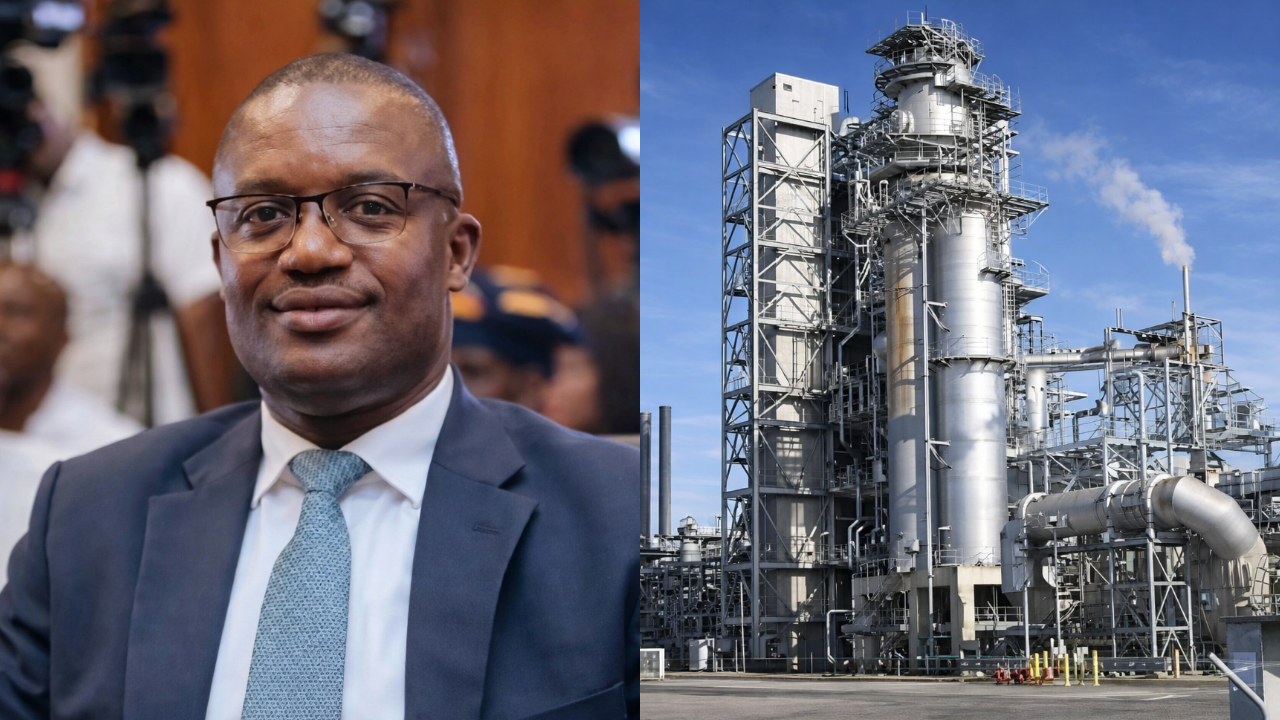
Tema Oil Refinery (TOR) has resumed crude oil processing for the first time in several years, marking a significant milestone in Ghana’s energy sector and signaling renewed efforts to strengthen domestic fuel production.
The development was confirmed by the Minister for Energy and Green Transitions, John Abdulai Jinapor, who described the restart as a critical step toward revitalizing the country’s downstream petroleum industry.
According to the minister, the resumption follows a period of technical rehabilitation, financial restructuring, and operational assessments aimed at restoring TOR’s core refining capacity.
Read also: Man Arrested for Allegedly Burying Wife in Bedroom at Twifo Nuakrom
The current phase involves the processing of crude oil to produce petroleum products for the local market, reducing Ghana’s heavy dependence on imported refined fuels.
The restart of operations at TOR is expected to yield multiple benefits. It will help stabilize fuel supply, improve energy security, and potentially ease pressure on foreign exchange by cutting down fuel import costs.
Additionally, the refinery’s return to operation is projected to create jobs, boost local technical expertise, and revive ancillary industries linked to the refinery’s supply chain.
Mr. Jinapor emphasized that the government views TOR as a strategic national asset rather than a liability, noting that sustained operations will depend on prudent management, transparency, and consistent crude supply.
He added that lessons from past challenges are informing a more disciplined operational and financial framework to ensure long-term viability.
Industry observers see the development as a cautiously positive signal. While full-scale refining and sustained profitability will require continued investment and policy consistency, the processing of crude oil at TOR represents a tangible step toward restoring confidence in Ghana’s energy infrastructure.
Also read: Ashanti Traders Urge Delegates to Reject Bawumia Ahead of NPP Presidential Primaries
As Ghana pursues broader energy sector reforms and a transition toward cleaner energy, the revival of TOR underscores the importance of maintaining strong domestic refining capacity alongside future-oriented energy policies.