


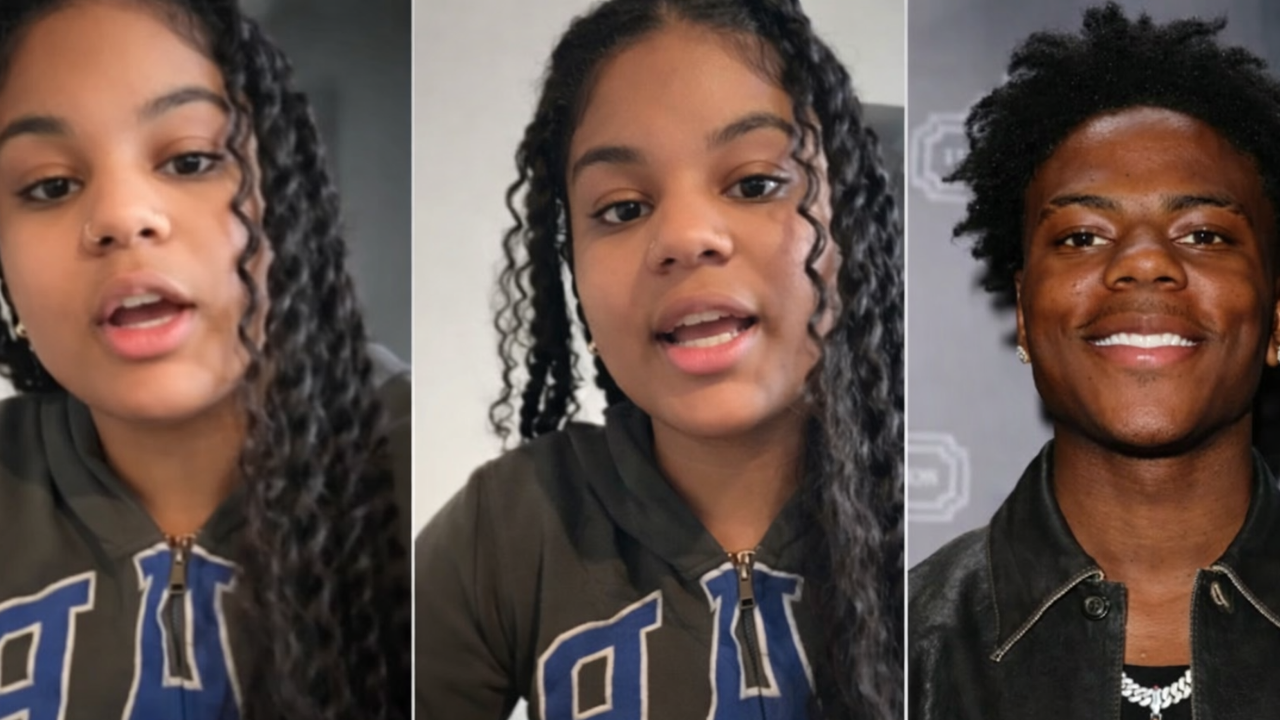
An American woman’s candid reaction to popular streamer IShowSpeed’s recent visit to Africa has reignited discussion about long-standing Western misconceptions of the continent.
Her remarks, widely shared online, reflect how deeply distorted narratives about Africa remain in parts of the Western world—and how digital media is beginning to challenge them.
Expressing surprise at Africa’s infrastructure, culture, and diversity, she admitted that she previously viewed the continent through a narrow and inaccurate lens.
Read also: IShowSpeed to Receive Ghanaian Approves Passport Following Cultural Engagement
Her comments, while controversial, underline a broader issue: Africa is often portrayed internationally as a single, underdeveloped place rather than a vast continent of 54 countries with distinct cultures, economies, and modern cities.
IShowSpeed’s visit offered millions of viewers a different perspective.
Through livestreams and casual interactions, audiences saw functional cities, vibrant music scenes, reliable technology, and everyday life that contradicts outdated stereotypes.
The woman’s realization that Africa has globally influential artists like Davido and modern amenities such as cars, clean water, and internet access highlights how limited mainstream portrayals have been.
Her statement also points to the role of media and education in shaping global perceptions. For decades, selective storytelling has overshadowed Africa’s progress, creativity, and innovation.
As content creators increasingly travel and document real experiences, these one-dimensional narratives are being dismantled.
While her remarks expose ignorance, they also demonstrate growth.
More importantly, they show the power of authentic representation in fostering understanding, reconnecting the African diaspora, and correcting misconceptions that should have been challenged long ago.