


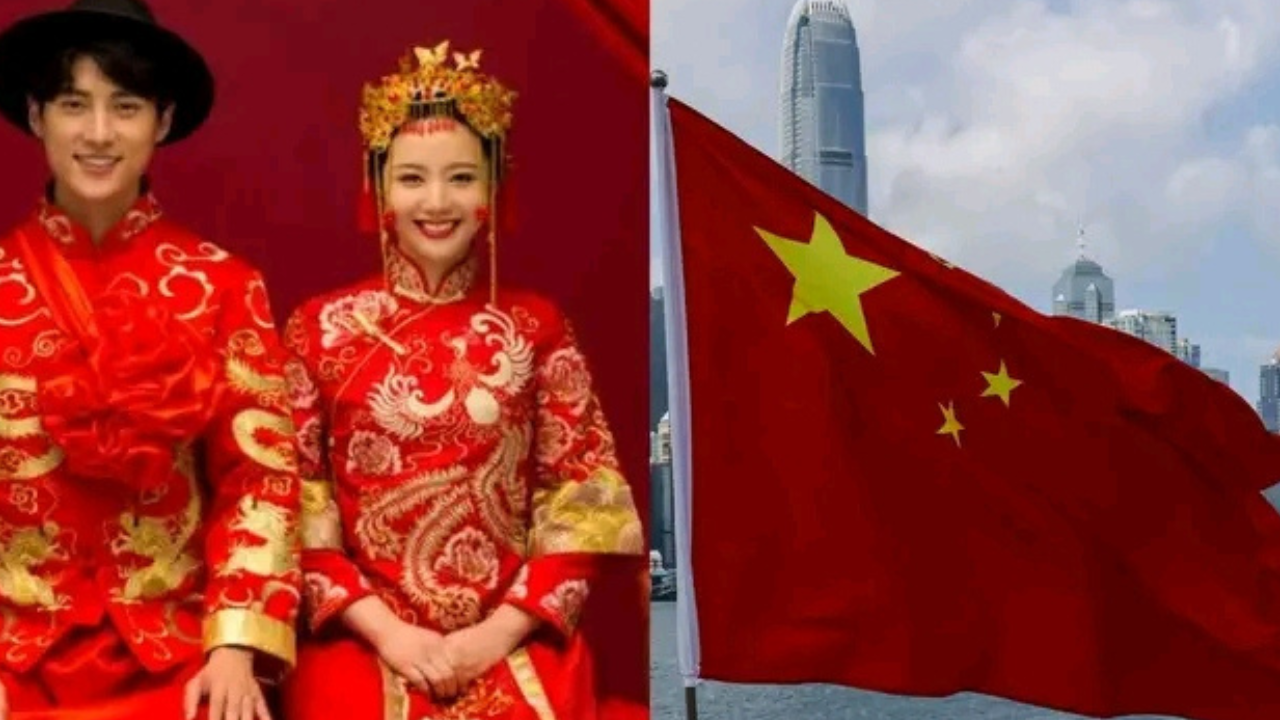
China’s 2025 divorce reforms have ignited nationwide discussion following changes to how marital property is divided after separation.
Under the revised framework, a spouse can no longer automatically claim a share of the other partner’s assets unless the property is legally registered as joint ownership or clear evidence of financial contribution is provided.
The reform marks a departure from the widely assumed 50/50 division model, placing greater emphasis on documented ownership and direct monetary input.
Read also: “Is Marriage all About Money? If Not, Why Are Men Scared of Marriage?” – Woman Quizzes
In practice, this means that assets purchased under one spouse’s name may remain solely theirs unless the other party can prove measurable financial involvement.
One of the most contentious aspects of the reform is the reduced recognition of unpaid domestic labor.
Responsibilities such as childcare, homemaking, and household management are no longer treated as direct contributions to asset accumulation in property disputes.
Critics argue that this shift may disadvantage stay-at-home spouses—most commonly women—who devote years to supporting family life without formal income documentation.
Supporters of the reform contend that clearer property rules will reduce prolonged legal disputes and promote transparency in asset ownership.
However, legal analysts note that the changes could significantly reshape marital financial planning, encouraging couples to formalize joint ownership arrangements earlier in marriage.
Also read: Algerian Police Have Arrested 3 People Who Were Attempting to Enter Spain Disguised as Sheep
As public debate continues, the reforms highlight broader questions about economic contribution, gender equity, and the evolving definition of fairness in modern marriage.