


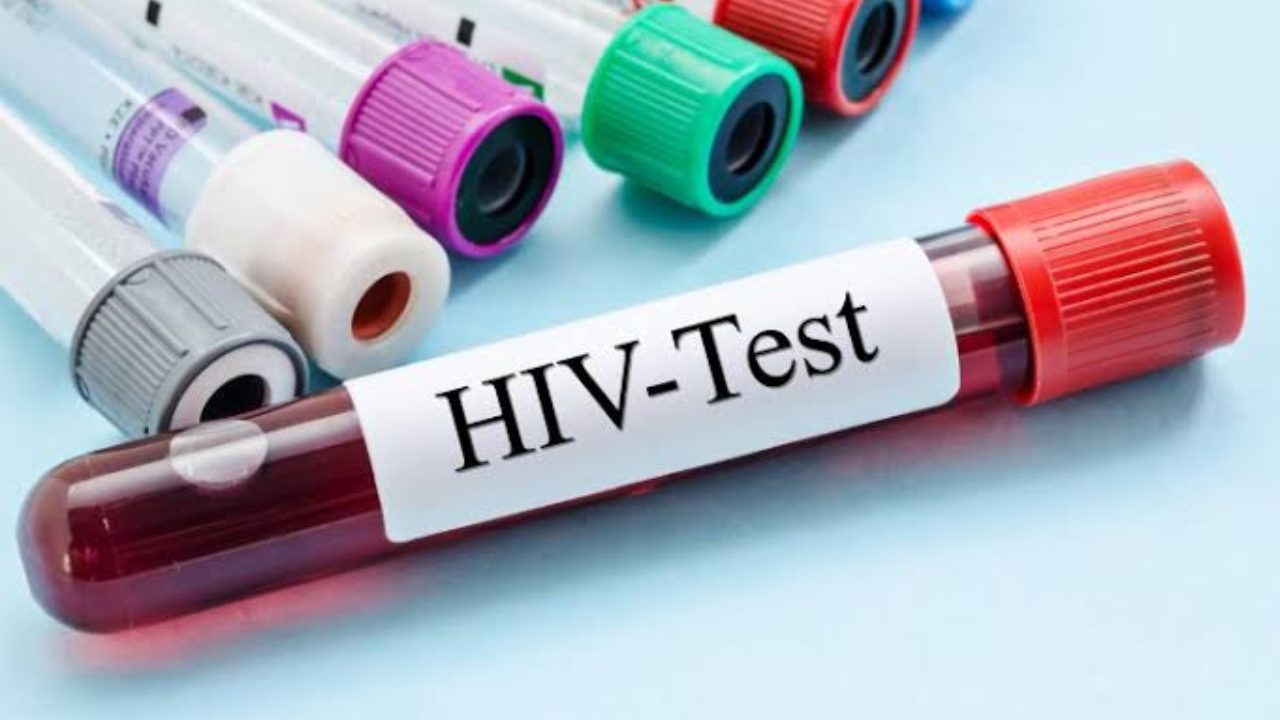
The Ashanti Region has recorded a concerning rise in new HIV infections, with 2,997 cases reported in 2024 alone, according to the Ghana AIDS Commission (GAC).
This figure represents an alarming average of approximately nine new infections per day.
The statistics, released as part of the Commission’s 2024 regional estimates, highlight the continuing challenge of HIV transmission in Ghana, particularly in densely populated regions like Ashanti, which remains one of the country’s most affected areas.
Read also: Fatal Accident in Offinso: 10 Dead, Several Others Severely Injured
Health experts attribute the new infections to a combination of factors including low condom use, multiple sexual partnerships, stigma around testing and treatment, and inadequate sexual health education, particularly among the youth.
The Ashanti Regional Technical Coordinator of the GAC has called for a renewed commitment to HIV prevention, especially in communities with high transmission rates.
He emphasized the importance of routine testing, early detection, and access to antiretroviral therapy (ART) in reducing the spread and impact of the virus.
He further urged traditional leaders, religious groups, and civil society to intensify advocacy and public education to combat stigma and promote safer sexual practices.
While Ghana has made notable progress in its national HIV response, the Commission warns that the rise in regional infections could reverse gains if immediate action is not taken.
The Ghana AIDS Commission continues to work with stakeholders to achieve the UNAIDS 95-95-95 targets — aiming for 95% of people living with HIV to know their status, 95% of those diagnosed to receive sustained treatment, and 95% of those on treatment to achieve viral suppression.
Also read: Canada Deports 366 Nigerians, Nearly 1,000 Await Removal Amid Immigration Crackdown
Public health officials are encouraging all citizens, especially at-risk populations, to undergo regular testing and adopt protective behaviours to curb new infections.