


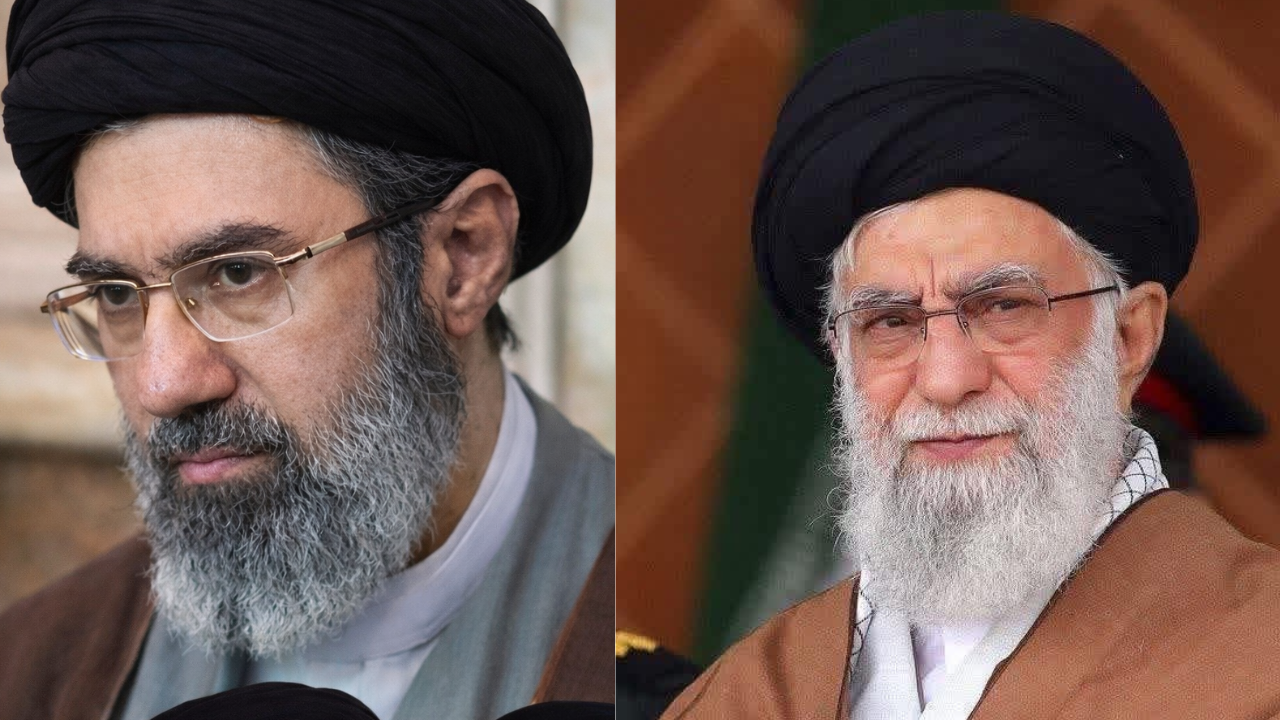
Amid ongoing speculation over Iran’s leadership succession, Mojtaba Khamenei, the second-eldest son of the late Supreme Leader Ayatollah Ali Khamenei, has attracted attention as a potential contender to succeed his father as the Islamic Republic’s next Supreme Leader.
Mojtaba, born on 8 September 1969 in Mashhad, has long been a prominent figure behind Iran’s political and religious scenes and is considered influential within the country’s clerical establishment.
While not formally declared as a successor, discussions within Iranian political circles and international analysis have spotlighted Mojtaba’s deep ties to the Islamic Revolutionary Guard Corps (IRGC) and his experience within the Supreme Leader’s office as factors that could position him in the running for leadership.
Read also: Breaking News: Iran Supreme Leader Has Been Killed in Israel Strikes
However, the constitutional selection process for the Supreme Leader — overseen by the Assembly of Experts, an 88-member clerical body — remains complex and opaque, and official candidates have not been publicly confirmed.
Mojtaba’s prospects face significant challenges. Succession in Iran is not hereditary, and analysts note that constitutional requirements and clerical legitimacy play crucial roles in determining suitability for the position.
Experts have pointed out that several senior clerics and political figures — including those with formal theological ranks and institutional experience — are also being considered.
Also read: Iran Reportedly Closes the Strait of Hormuz; Oil Prices Likely to Surge
As Iran navigates this unprecedented leadership transition, the debate over whether Mojtaba Khamenei or another cleric will ascend to the role underscores broader uncertainties about the future direction of the Islamic Republic and the balance of power within its political system.