


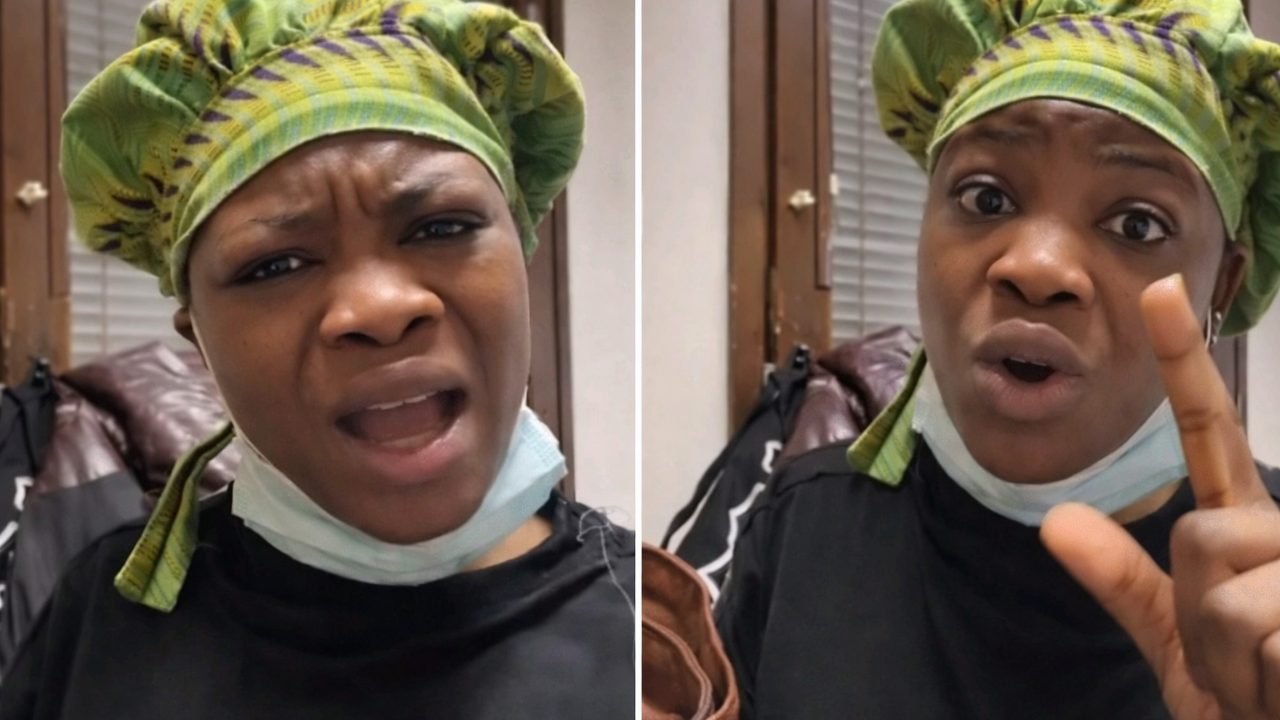
A Nigerian lady has stirred widespread conversation online after passionately sharing her reasons for possibly choosing not to marry, citing societal expectations and gender-based double standards as major factors influencing her stance.
In a candid video that has since gone viral, the young woman expressed her frustration over the traditional roles often assigned to women in marriage, particularly in Nigerian society.
She questioned why women are expected to wake up as early as 4:30 am to cook for their husbands when, in many cases, they don’t even do that for themselves.
Read also: Popular SHS Expels Two Students After Inappropriate Video Goes Viral
“Who exactly are you?” she asked rhetorically. “I don’t even wake up at 4:30 am to cook for myself. Why should I do that for a man?”
She also criticized men who snore, calling it a deal-breaker for her.
According to her, the same men who place unrealistic physical standards on women — asking them to remain slim, beautiful, and hygienic — often fail to meet those standards themselves.
“They say don’t be fat and ugly, be hygienic, but look at them,” she said.
“Moving around with different types of infections and hardly going for medical checkups. If not for NYSC, most of you wouldn’t even know your health status.”
The video has drawn mixed reactions from the public.
Some viewers have applauded her for speaking boldly against what they see as outdated and unfair gender norms in marriage, while others have criticized her comments as overly generalized and disrespectful to men.
Despite the backlash, her remarks have reignited discussions about equality, emotional labor, and mutual respect in modern relationships.
Many women in the comment sections resonated with her views, emphasizing that marriage should not be built on sacrifice from only one partner.
Also read: Man and Woman Burnt Beyond Recognition in Tragic Accident on Offinso-Techiman Road
As conversations about gender roles continue to evolve globally, especially among the younger generation, her video reflects a growing sentiment among many young women who are questioning the traditional frameworks of marriage and advocating for more balanced partnerships.