


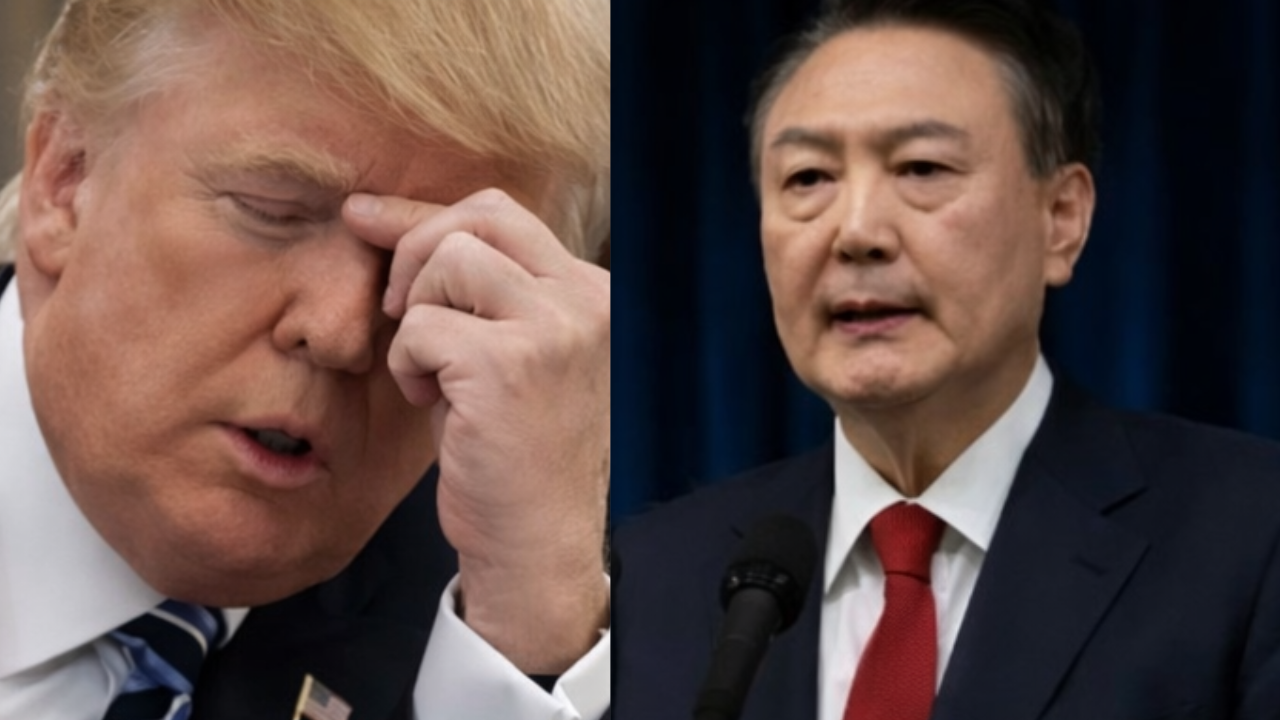
South Korea has stepped away from a proposed $350 billion trade and investment arrangement with the United States, signaling growing resistance among U.S. allies to high-stakes economic pressure.
The deal, strongly promoted by Washington, would have required South Korea to commit up to $350 billion in investments in U.S.-based projects.
In return, Seoul was expected to receive tariff relief on major exports, including automobiles, pharmaceuticals, and industrial goods.
Read also: President Trump Warns of Possible Second Military Strike in Venezuela Amid Escalating Tensions
However, South Korea’s National Assembly declined to approve the agreement, citing concerns over financial exposure, vague implementation terms, and potential harm to domestic industries.
Lawmakers argued that the proposal lacked sufficient safeguards and clarity, warning that it could effectively function as an open-ended financial commitment with limited guarantees for South Korea’s economy.
Government officials emphasized that the deal was never intended to be a “blank check” and insisted that parliamentary oversight could not be bypassed for political convenience.
In response, U.S. President Donald Trump has reportedly moved to restore tariffs on key South Korean imports, with rates potentially rising toward 25 percent.
The announcement has already unsettled markets, with Korean automotive and pharmaceutical stocks showing early signs of pressure.
Beyond immediate market reactions, the dispute reflects a broader shift in global trade dynamics.
Allies are increasingly pushing back against aggressive negotiating tactics, prioritizing domestic political stability and economic resilience over rapid concessions.
Also read: The World Can Go On Without America – Chinese President, Xi Jinping Speaks
The breakdown of this deal underscores how geopolitical alignment no longer guarantees economic compliance in an increasingly fragmented global trade environment.