


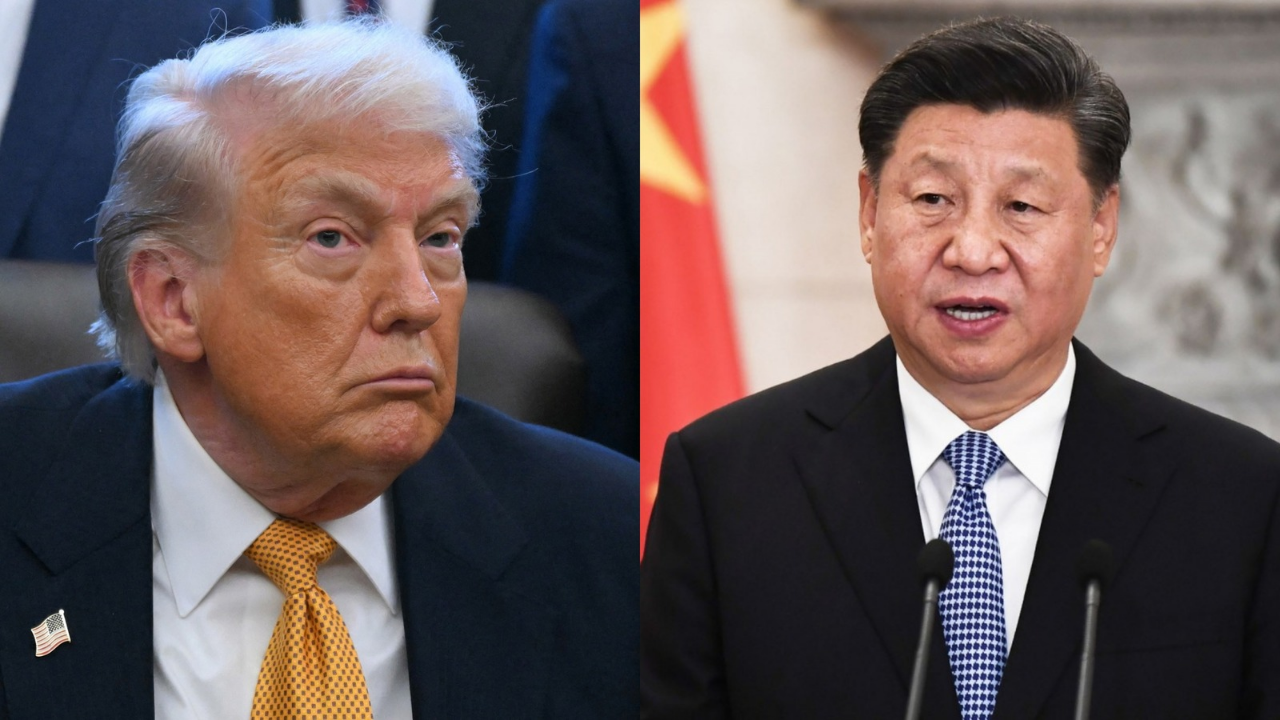
Chinese President Xi Jinping has sparked fresh global debate with the blunt assertion that “the world can move on without America.”
The remark lands at a moment when geopolitical tensions, economic nationalism, and shifting power blocs are challenging long-standing assumptions about U.S. leadership in global affairs.
The comment comes as Washington finds itself increasingly entangled in diplomatic friction on multiple fronts.
Russia’s recent banter with the United States over Greenland — a territory of strategic and symbolic importance — has highlighted how openly rival powers now question American influence.
Read also: President Trump Warns of Possible Second Military Strike in Venezuela Amid Escalating Tensions
While the exchange may appear rhetorical on the surface, it reflects a deeper contest over Arctic dominance, security routes, and global prestige. Moscow’s tone suggests confidence that U.S. objections no longer carry the weight they once did.
At the same time, former U.S. President Donald Trump has revived warnings of sweeping tariffs against countries he accuses of exploiting American markets.
Trump’s rhetoric, framed as economic self-defense, has once again unsettled allies and rivals alike.
Many governments fear that renewed tariffs could disrupt fragile supply chains, slow global growth, and accelerate the fragmentation of international trade into competing blocs.
China has positioned itself as a beneficiary — and, increasingly, a driver — of this fragmentation.
By expanding trade ties across Asia, Africa, Latin America, and parts of Europe, Beijing argues that global cooperation no longer depends on U.S. approval or participation.
Xi’s statement is not merely a jab at Washington; it is a strategic message to developing and emerging economies that alternatives to U.S.-centric systems exist.
Critics, however, argue that the claim oversimplifies reality.
The United States remains central to global finance, military alliances, and technological innovation.
Yet even they concede that America’s willingness to act unilaterally — through tariffs, sanctions, and political pressure — has weakened trust and encouraged other powers to hedge their bets.
Xi’s words capture a growing sentiment in global politics: the era of unquestioned American dominance is fading.
Also read: U.S. Announces Indefinite Suspension of Immigrant Visa Processing for Ghana and 74 Other Countries
Whether the world can truly “move on” without the United States is still debatable. What is clear is that many nations are now actively preparing for a future where U.S. leadership is no longer assumed — and where power is more contested than ever.