


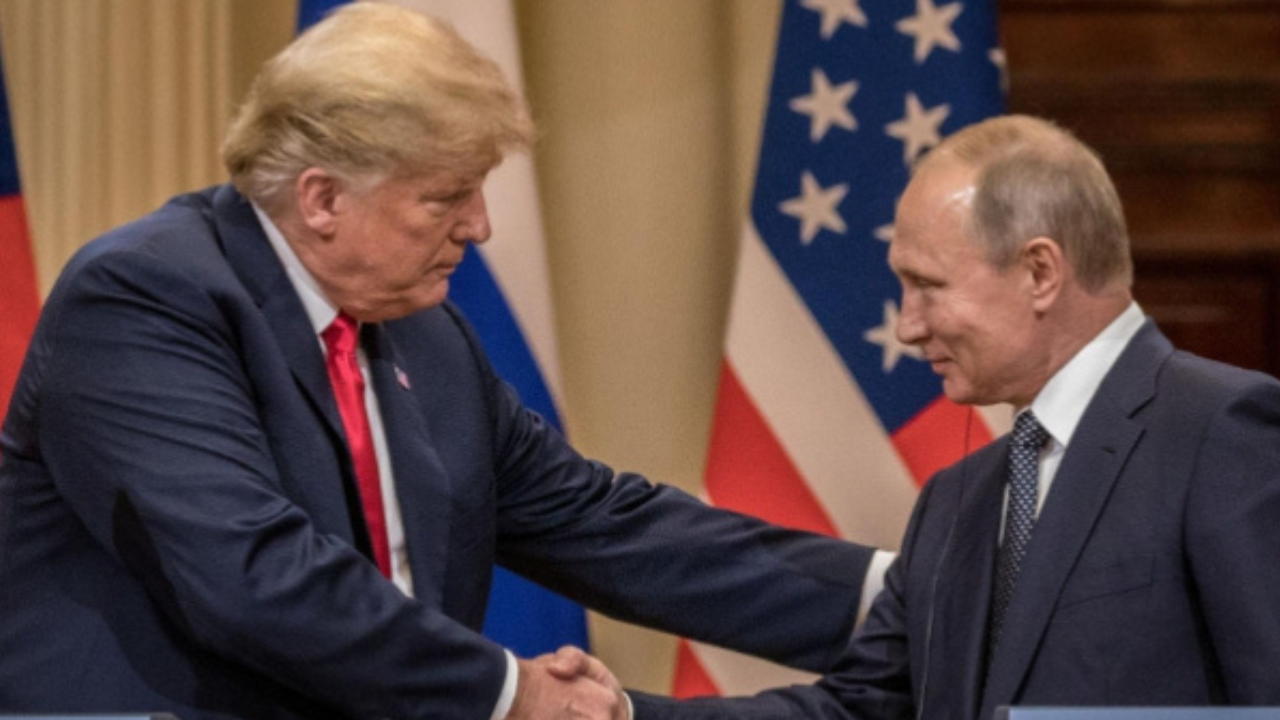
The New Strategic Arms Reduction Treaty (New START), the last remaining legally binding nuclear arms control agreement between the United States and Russia, has officially expired, marking a critical turning point in global security.
Signed in 2010 during a period of improved U.S.–Russia relations, the treaty capped each country at 1,550 deployed strategic nuclear warheads and limited delivery systems such as intercontinental ballistic missiles, submarine-launched ballistic missiles, and heavy bombers.
It also established transparency measures, including data exchanges, notifications, and on-site inspections to reduce miscalculation and mistrust.
Read also: U.S. Military Analyst Warns of Iran’s Capability to Damage Israel and U.S. Forces
Although New START was extended once in 2021, it could not be renewed again under its terms. With its expiration, there are now no bilateral agreements constraining the nuclear arsenals of the world’s two largest nuclear powers—an unprecedented situation in more than 50 years.
The loss of legally binding limits and verification mechanisms has heightened concerns about strategic uncertainty and the risk of escalation.
The António Guterres, Secretary-General of the United Nations, described the development as a “grave moment” for international peace and urged renewed negotiations.
Also read: President Trump Agrees to Reduce Tariffs on Indian Goods from 50% to 18%
Security experts warn that without new frameworks, the world could face a costly and destabilizing nuclear arms race.